
Listed Building Consent in London | Houses & Flats
Planning alterations to a listed house or flat in London? Learn when consent is needed for internal works, windows, doors and extensions, with a Westminster case study.
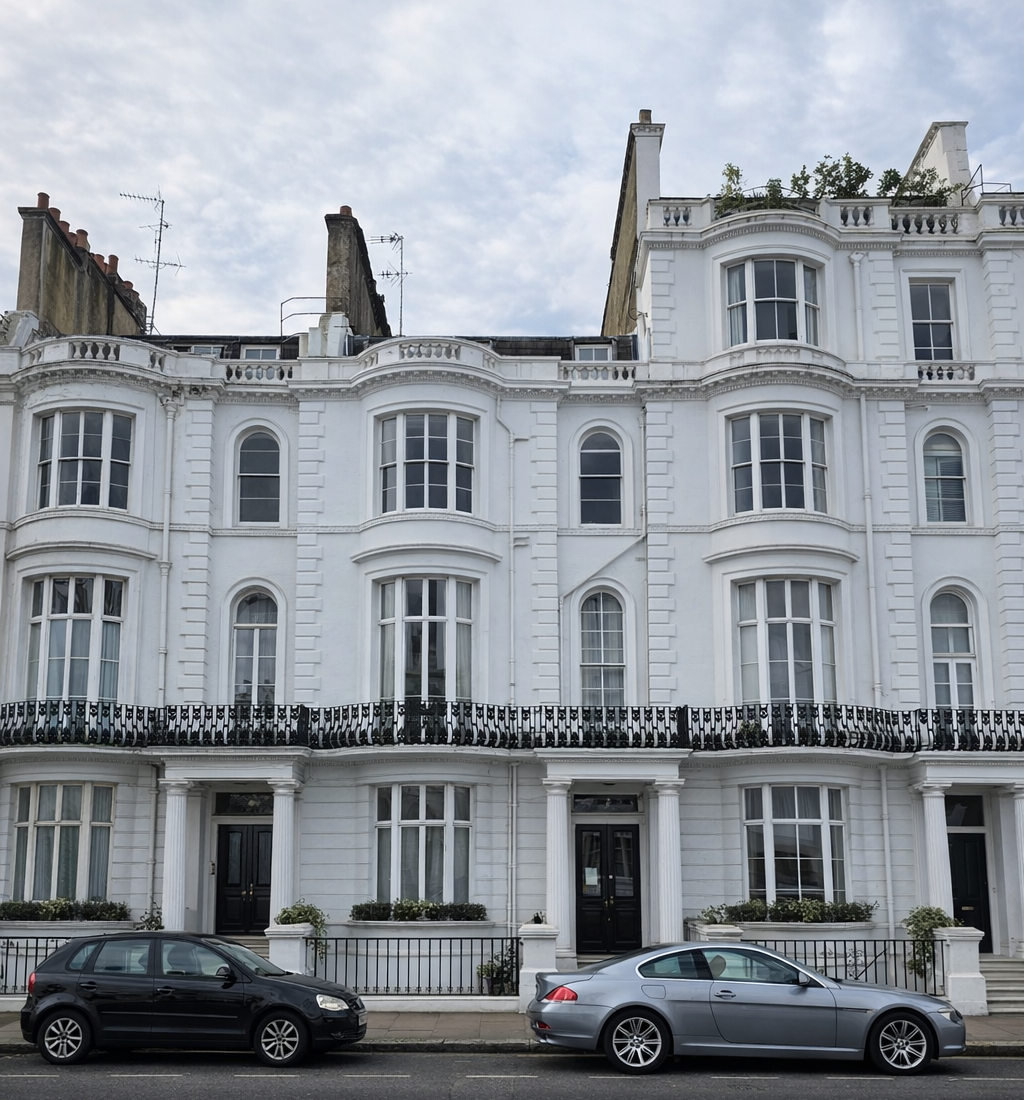
Listed Building Consent for London Houses and Flats
Owning a listed home in London brings opportunities to enjoy and care for a building with architectural or historic interest. It also means checking whether proposed improvements need listed building consent, from removing a partition to replacing sash windows or building an extension, the starting point is understanding how the work would affect the building's special character.
In Short
Listed building consent is required for demolition and for alterations or extensions affecting a listed building's special architectural or historic character. This can include internal and external work. Planning permission, Building Regulations approval and any necessary freeholder consent are separate requirements.
What Parts of Your Home Are Protected
Listing normally covers the whole building, inside and outside, including later additions, unless specific exclusions apply. Protection is not limited to features mentioned in the listing description or visible from the street.
These controls apply to Grade I, Grade II* and Grade II buildings. A flat within a listed building is also subject to them, even if its interior has previously been modernised.
Check the National Heritage List for England and your council's records. Being in a conservation area or on a local heritage list is different from statutory listing and does not, by itself, require listed building consent.
Which London Boroughs Have the Most Listed Buildings?
Historic England's 2025 figures identify the following five London boroughs with the most listed building entries:
1. Westminster - 4,003 entries.
2. Camden - 1,964 entries.
3. Kensington and Chelsea - 1,344 entries.
4. Islington - 1,047 entries.
5. Lambeth - 948 entries.
These are statutory list entries, not individual homes: one entry can cover an entire terrace. The consent test is the same across London, although local heritage policies and application requirements vary.
Do Internal Alterations Need Listed Building Consent?
Internal work can require consent even where no external changes are proposed. Examples include:
Removing walls, creating openings or changing historic room layouts.
Altering staircases, fireplaces, cornices, doors or panelling.
Installing services that cut through significant historic fabric.
A non-loadbearing partition is not automatically exempt. Its age, relationship to the building's layout and effect on historic features need assessment. Later alterations can also contribute to significance.
Can You Replace Windows and External Doors?
Replacing historic windows or external doors is likely to require listed building consent because it can affect both historic fabric and appearance. Matching the colour or overall style is not always sufficient.
For windows, the assessment may consider frame material, glazing bars, opening method, glass and the depth of individual sections. Replacing timber sashes with uPVC or introducing double glazing needs careful consideration. Repairing existing joinery should be explored before wholesale replacement.
For doors, relevant details include panel proportions, frames, mouldings, glazing and historic ironmongery. This can apply to rear and side doors as well as the main entrance.
What About Extensions and Other External Changes?
Extensions, dormers, roof alterations and new openings can require listed building consent. Changes to render, brickwork, roof coverings, balconies or railings may also affect special character.
Works at the rear or on a concealed elevation still need assessment. The absence of public views does not remove listed building requirements.
Are Repairs and Like for Like Replacements Exempt?
Routine maintenance and genuinely compatible minor repairs may not need consent where they do not affect special character. However, repair and complete replacement are different interventions.
Replacing an entire historic window with a matching new one may still need consent because historic material is lost. The extent, materials and method of work matter.
If the position is uncertain, we always suggest seeking conservation advice.
Case Study Internal Alterations in Westminster
Our clients project located on Gloucester Terrace involved improving the layout of a third-floor flat within a Grade II listed Victorian terrace in the Bayswater Conservation Area.
The proposal removed a modern partition separating the kitchen and living room, together with a built-in cupboard, to create an open-plan kitchen and dining space.
Our Heritage and Design and Access Statements explained that the affected elements were non-original and that the works would retain significant historic fabric, decorative features and structural walls. No external alterations were proposed.
Westminster City Council granted listed building consent. The project illustrates how understanding a building's history can support a proportionate proposal for improved living space. It does not mean every modern partition can be removed without assessment.
How Do You Apply and When Can Work Start?
Apply to the relevant London borough council with accurate drawings, photographs and a proportionate heritage assessment. Joinery changes may need detailed window or door sections. Check the council's validation requirements, including any Design and Access Statement.
There is no council application fee for listed building consent, although professional fees and separate planning application fees may apply. Straightforward applications commonly take around eight weeks from validation; complex proposals can take longer.
Internal works may need listed building consent without planning permission. External alterations may need both. Building Regulations and lease or freeholder requirements should also be checked.
Wait for consent and satisfy any conditions required before work starts. Carrying out works requiring listed building consent without it is a criminal offence.
How Young & You Can Help
We combine architectural design and chartered planning expertise to assess proposed changes, prepare supporting drawings and statements and manage listed building consent applications.
If you are planning improvements to a listed house or flat in London, click here to contact Young & You about your project.